All posts by Vince Siu

Born and later educated in the US, Vince is now based in Hong Kong as a project manager for a local bank. At night, his interests in Liverpool and the English Premier League take over as he writes opinions, features and analyses for a variety of websites. He covers business and marketing strategy, globalization and technology for Business of Soccer. His other work can be found at http://vincetalksfooty.com, and follow his updates on Twitter @vincetalksfooty.

5 Liverpool Academy Players Who Could Break Through Next Season

When England manager Roy Hodgson named five Liverpool players in his starting XI in last week’s friendly against Denmark, Reds boss Brendan Rodgers rightly took the plaudits for his work in developing homegrown talent at Anfield.

Indeed, the current Liverpool and England teams provide wonderful examples of Rodgers’ management: Raheem Sterling’s rise to prominence; Daniel Sturridge’s rapid evolution to become England’s deadliest striker; Jordan Henderson’s turnaround in form, confidence and stature.

As we continue to witness the current generation of English talent at Anfield, let’s also keep an eye on the future and on the good work that is being done at the Liverpool youth academy.

Here are five players from the Liverpool youth setup who could break through next season. Enjoy and let us know your picks.


Jordon Ibe

Jordon Ibe
Scott Barbour/Getty Images

Our first name is someone who will be familiar among Liverpool fans—and, increasingly, Birmingham City supporters.

After making a cameo off the bench during Liverpool’s 5-1 rout of Arsenal in February, Jordon Ibe joined Championship side Birmingham on loan until the end of the season, per BBC Sport.

And according to the Daily Star, Ibe already made a good enough impression on Blues boss Lee Clark that he was sent on as a substitute in a 2-1 win at Blackpool just 24 hours after signing for Birmingham.

Blessed with pace, power, dribbling, tactical intelligence and an eye for goal, Ibe has a big chance to impress during his stint at Birmingham, and Brendan Rodgers will likely afford him further opportunities to catch the eye over preseason.

A look at Raheem Sterling’s exciting development already shows what could lie in store for Jordon Ibe next season.


Ryan McLaughlin

Ryan McLaughlin
Jan Kruger/Getty Images

Our next candidate is also out on loan in the Championship: Ryan McLaughlin joined Barnsley on loan in January, per BBC Sport, in an initial 28-day deal that was subsequently extended until the end of the season.

Currently sidelined with a hamstring problem, McLaughlin made a positive impression on his professional debut in January—coincidentally also against Blackpool—and will be looking to become a part of Barnsley’s starting XI in the months to come.

Having impressed against AS Roma legend Francesco Totti during Liverpool’s preseason tour of the USA in 2012, McLaughlin has had to bide his time in the reserve setup, but Barnsley will be a good test for the 19-year-old.

As Glen Johnson’s contract situation continues to be uncertain, McLaughlin could get a chance to stake his claim for a first-team place this summer.


Joao Carlos Teixeira

“I watched this kid a couple of years ago playing for Sporting Lisbon against Liverpool at Anfield in a youth game; I could see straight away he was the best player on the pitch.”

Steven Gerrard’s post-game praise for Joao Carlos Teixeira, via LiverpoolFC.com, after his debut in a 3-2 win over Fulham in February showed just how highly the Portuguese youngster is rated within the halls of Melwood and the corridors of Anfield.

It was Teixeira’s pass that led to Daniel Sturridge winning the match-winning penalty that Gerrard converted, and his appearance off the bench when the match was tied at 2-2 was a huge show of faith from Brendan Rodgers.

Since joining Liverpool from Sporting Lisbon, Teixeira initially struggled with a back injury, and a loan spell at League One side Brentford in 2013 ended early, making his recent rise in prominence all the more encouraging.

The Daily Mail has an in-depth profile of Teixeira: Expect him to be more involved in the first team in the closing months this season and step up his claim next season.


Jack Robinson

Jack Robinson
Clive Rose/Getty Images

Jack Robinson has spent the current season on loan at Blackpool, where he has been a fixture in Barry Ferguson’s first team and impressed both with his tenacious defending and with his contributions in attack.

Robinson was once Liverpool’s youngest ever player when he made his senior debut for Liverpool in May 2010 during Rafael Benitez’s final game in charge of the Reds—an indication of how highly he is rated at Anfield.

His encouraging form in the Championship this season suggests that he will be part of Brendan Rodgers’ squad in their coming preseason tour of the US, where he will be eager to force his way into first-team reckoning.

With Jose Enrique still a ways away from a return from injury and Aly Cissokho failing to impress after signing on loan from Valencia, the left-back spot could be up for grabs this summer, and Jack Robinson could be one of the candidates Rodgers considers.

He will have to work on his discipline though: His record of five yellow cards and three red cards in just 24 league games this season makes him somewhat of a defensive liability still.


Danny Ward

Danny Ward
Chris Brunskill/Getty Images

Brendan Rodgers may be in the market for a goalkeeper this summer, but he might well have his next backup custodian in the Liverpool academy.

Danny Ward has been a fixture for the Liverpool under-21s this season, and has impressed with his all-roundedness in goal.

The Welsh youngster was a part of Liverpool’s squad during their summer US tour in 2012, and made his first appearance in a Red shirt when he came off the bench in their preseason friendly against Preston North End last summer.

As Brad Jones fails to impress as a No. 2 behind Simon Mignolet, Ward could be given extended time this coming summer to impress Rodgers ahead of the new campaign.


This article first appeared on Bleacher Report, where I contribute regularly on Liverpool and the Premier League.

Liverpool Transfers: Should Reds Go for Manchester City Defender Micah Richards?

Liverpool Transfers: Should Reds Go for Manchester City Defender Micah Richards?
Stu Forster/Getty Images

Liverpool might be flying high in their quest to secure Champions League football this season, but that hasn’t stopped the rumours from flying in. The latest player to be linked with a move to Anfield is Manchester City defender Micah Richards, according to Jamie Sanderson of the Metro.

While the Reds have been a free-scoring success up front and are now the Premier League’s top scorers, they are placed a disappointing 10th in the goals conceded column, exemplified by an inconsistent central defensive selection and some eye-catching mistakes.

Richards, a graduate from City’s youth academy, has long been linked with a move to Anfield but as he finds himself firmly down the pecking order both at right-back (to Pablo Zabaleta) and centre-back (to captain Vincent Kompany), this rumour has been revived again with the summer transfer window opening in a few months.

But would he be a good signing for Liverpool?

Let’s take a look at the pros and cons to Micah Richards’ potential signing, assess his proposed role at Anfield and evaluate whether he’d be a good pickup for Brendan Rodgers.


Clive Brunskill/Getty Images

Pros

It seems as if Richards has been around forever, yet the Manchester City man is only still 25 years of age.

Blessed with searing pace, a physical frame and dominant ability in the air, Richards burst onto the scene in 2005 as a 17-year-old and quickly gained national prominence as England’s most promising young defender.

Such was the impression he made that he was called up to the national team by Steve McClaren after just 28 professional club matches with City. When he made his first start in light of Gary Neville’s injury at right-back, he broke Rio Ferdinand’s record and became England’s youngest ever defender.

But it’s not just his defensive strength that has won him plenty of plaudits. His marauding runs down the right flank have been a prominent attacking outlet for City over the years, and his physicality means that he is a difficult opponent to come up against. His record of five assists in City’s title-winning season in 2011/12 was the joint most of any defender in the Premier League.

Capable of playing both as a central defender and on the right, Richards also brings leadership to the back four: When he captained City in 2007, he was only 19—their youngest ever captain—and he deputized for Kompany during the Belgian’s absence, again during the 2011/12 season.


Clive Brunskill/Getty Images

Cons

A picture of physicality, strength and fitness in his early years at City, Richards has not had the best of luck with injuries recently, with a hamstring problem his latest affliction.

Despite being an important part of their title-winning 2011/12 season, he made just seven Premier League appearances last term, and he has only played in two league games in the current campaign.

In his absence, Pablo Zabaleta, signed during the Mark Hughes era, has become a mainstay in the City first team and established himself as one of the best right-backs in England, making it ever harder for Richards to force his way back into the team.

As such, it’s been a while since Richards has enjoyed an extended run-out in City colours—but when he’s had a first-team opportunity, he has yet to show that he can recapture his pre-injury form.

In Martin Kelly, Liverpool already have a strikingly similar case: Both Kelly and Richards burst onto the scene as talented and complete young defenders, capable of playing both in the centre and on the right but injuries have stalled their striking potential and derailed their careers.

Would Brendan Rodgers, having seen first-hand Kelly’s troubles in making a successful comeback from injury, want a repeat?


Michael Regan/Getty Images

Potential Role at Liverpool

When it comes to ability, there’s no doubt that Richards has the talent to succeed at the highest level.

At just 25 years of age, he still has his best years as a defender ahead of him and at Liverpool there is just the right position for him to reestablish himself in the Premier League.

Martin Skrtel has reclaimed his position in the right side of Liverpool’s central defence, but he remains an inconsistent defensive option. Despite having improved his goals return this season, he has also made some alarming mistakes and shown weaknesses in his positioning and tackling.

With Mamadou Sakho seemingly Brendan Rodgers’ first-choice left-sided centre-back option, ahead of vice-captain Daniel Agger, there is a place for a young but established defender on his right.

Both Richards and Sakho’s versatility mean that they can fill in on the flanks in case of injury to their team-mates during a match and also crucially that Rodgers can change his formation to a 3-5-2 with ease and confidence.


Conclusion

Brendan Rodgers has carved a strong reputation as an excellent nurturer of talent, with the likes of DanielSturridge, Philippe Coutinho, Jordan Henderson and Raheem Sterling benefiting greatly from his man management.

A young English talent needing a platform to prove himself at the highest level, at a club where domestic talent and an exciting attacking ethos are prevalent? There could be no better club than Liverpool for Micah Richards at this stage of his career.

And given that his current contract runs out in the summer of 2015—and that, according to Sami Mokbel of the Daily Mail, City may look to move him on given his unwillingness to sign a new deal—Richards could also be available for a lower fee.

The risk that Richards could yet go down Martin Kelly’s path means that any potential signing would be a gamble, but the chance to pick up one of England’s erstwhile hottest defensive talents on a bargain deal is surely too good to turn down.


This article first appeared on Bleacher Report, where I contribute regularly on Liverpool and the Premier League.

State of Brazil 2014: Where Do Things Stand in World Cup Host Nation Right Now?

During Brazil’s 5-0 hammering of South Africa in Johannesburg in an international friendly on Wednesday, more than just a footballing spectacle was on show.

Sure, Neymar’s hat-trick—the Barcelona star has hit 30 goals in just 47 caps—inspired the Selecao to a resounding victory over the hosts. And the Samba stars even hit the headlines after the match for all the right PR reasons when they elected to pose and celebrate a young pitch invader, as reported by the Daily Mail.

But this prestige friendly was also the meeting between the most recent World Cup host and the current incumbent, played at Soccer City, the venue of the 2010 final, where Spain beat the Netherlands to win their first-ever World Cup.

It was a passing of the baton—well, of sorts.

In an ideal world, from both FIFA’s perspective and surely the Brazilian Football Association’s, Brazil’s resounding victory would also have represented an analogous reflection of the upcoming World Cup in relation to 2010’s, with Brazilian excellence, preparation and execution not just limited to a five-star performance on the pitch.

In an ideal world, the joy and happiness we saw on the faces of the Brazilian team when they celebrated their victory (and the young pitch invader) would not only be repeated as they take to the stage to win their sixth World Cup on home soil in July, but for generations to come as they soak in the legacy of the “best World Cup ever.”

And in an ideal world, the sense of satisfaction in the Brazilian fans at Soccer City and watching on television at home would precede a sense of immense pride to be realized this summer while they watched a spectacle unfold at home, before they bid farewell to the hordes of tourists who will have created an economic boon for them to enjoy.

But where do things stand right now in the host nation? As we discuss below, things are not quite as rosy as they should be. Let’s look at how Brazil is faring, from different angles.


Gallo Images/Getty ImagesThe team: Ready to pounce

When it comes to matters on the pitch, the Brazil national team seem more than ready to take their chance on home soil this summer.

While a 5-0 drubbing of South Africa, their biggest ever loss at home, was an impressive achievement, and once again highlighted Neymar’s growing stature in world football and importance to his country’s footballing hopes, an arguably more symbolic result than took place last summer.

Brazil’s 3-0 defeat of World Cup champions Spain in the 2013 Confederations Cup final, itself a dress rehearsal for this summer’s World Cup, was courtesy of a match-winning performance by Neymar(and two goals from Fred), in an all-round spectacular performance. They inflicted upon Spain their first defeat in 29 competitive matches.

Luiz Felipe Scolari’s starting XI on Wednesday featured just two changes from his Confederations Cup final win last summer. WithNeymar having prospered since his move to Barcelona, the resurgence of Fernandinho at Manchester City and the impressive rise of Oscar at Chelsea, this is a Brazil side as workmanlike as it is flamboyant.

As Brazil prepare to welcome the visit of 31 other teams this summer, they will also revel in the fact that their opponents face a grueling match schedule, made all the more difficult because of the weather and traveling and exacerbated by the hot afternoon kickoff times.

This ESPNFC article lists all the obstacles that Brazil’s rivals will be up against: With the weather conditions of six cities classed as “stifling”—four of them “oppressive”—and high temperatures of over 31 degrees Celsius, the cross-country coverage will ensure startling differences between stadiums and locations.

The sheer largeness of the country means that some participating teams will face extremely tiring travel schedules. The USA team, for example, will travel a total of 8,800 miles for three of their group stage games, spending at least 35 hours commuting in total, while all matches will be played in “oppressive” conditions.

Of course, not all teams face such a demanding schedule, but it’s worth remembering that South American teams generally have a better record in World Cups hosted in the same region: All seven World Cups played in the Americas have crowned South American winners.

The only silver lining for other pretenders is that Brazil only finished as runners-up the last time they hosted a World Cup at home.


Friedemann Vogel/Getty ImagesThe logistics: Another last-minute dash

It seems as if World Cups, despite the spectacle they may be, always involve last-minute madness.

If we thought South Africa’s preparations in the final months leading up to their tournament weren’t a big enough alarm—as FIFA secretary general Jerome Valcke claimed in February 2010 (via Sky)—the situation this year is apparently even worse.

Just this January, FIFA President Sepp Blatter told the Telegraph:

Brazil just found out what [the scale of work] means and has started work much too late. No country has been so far behind in preparations since I had been at FIFA, even though it is the only nation which has had so much time—seven years—in which to prepare.

Not that his public criticism had had the desired effects. Valcke’s latest update in early March reflected the current state of chaos in Brazil’s preparations, as they “are working in conditions where the cement is not even dry,” and all IT and telecommunications systems hadn’t been installed, according to SportBusiness.com.

This was a long time coming.

A grand total of six stadiums, in Sao Paulo, Curitiba, Cuiaba, PortoAlegre, Natal and Manaus, had missed a deadline of Dec. 31, 2013 set by FIFA to allow a suitable preparation window ahead of the summer’s matches.

Since then, Curitiba has flirted with danger, coming close in February to being dropped for the tournament altogether, according to BBC Sport, only for local organizers to bring in hundreds of extra workers to meet building requirements and ultimately earn a FIFA reprieve.

Now Sao Paulo, which is set to host the opening game, might not be ready to hand its stadium over until May, a month before the tournament kicks off on June 12, according to BBC Sport.

Valcke, understandably, is unimpressed: According to theSportBusiness.com article above, he has had more harsh words regarding Brazil’s lax preparations:

I am not a World Cup specialist, but I will say this has not been easy for sure. We are almost at 100 days before the first game starts in a stadium in Sao Paulo which is still not ready and won’t be ready until May 15.

A glaring example of Brazil’s last-minute tendencies was the embarrassing fiasco over the preparation of the Maracana stadium for a high-profile friendly match between Brazil and England, supposedly to mark its grand reopening. Due to concerns over its structural readiness, and thus supporter safety, judicial order suspended the match a few days before it was schedule to take place, according to the Guardian.

The match ultimately resumed and ended in a 2-2 draw, but the warning signs were already there.


Ronald Martinez/Getty ImagesThe politics: The biggest headache of them all

If FIFA have already suffered enough headaches because of the disorganization in Brazil’s preparations, they’re about to experience even more—and this time the Brazilian FA could feel the heat as well.

It would’ve been all well and good if the issues that were raised before the Brazil-England friendly preceded an ultimately grand spectacle in the Confederations Cup.

But while Brazil’s victory over Spain said plenty about their ambitions to lift their sixth World Cup this year, what happened off the pitch among the local supporters were almost inevitable—yet surprising in equal measure.

The BBC reported that protesters clashed with police during the final, as demonstrations sparked by transport fare rises snowballed into more and larger grievances about the imminent World Cup and the costs associated with the tournament.

Massive public investment in preparation for the World Cup has irked the Brazilian public, who has witnessed a slowdown in the Brazilian economy and prefers the public money to be channeled into other priorities like health care and education, according to the Telegraph.

The “FIFA Go Home” and “There Won’t Be a World Cup” banners on show last summer weren’t as damning as the massive drop in public support for the tournament. In November 2008, almost 80 percent of the public were reportedly in favor of the World Cup. In March 2013, it had fallen to just 50 percent.

And the public worries are legitimate.

There have long been debates on the actual merits and sustainable benefits to hosting international sporting events like the Olympics and the World Cup due to the financial burden they put on the host countries, and we only have to look at South Africa to see the repercussions and strain that football’s premier tournament can put on a country.

According to the Guardian, the government spent £687 million in new and refurbished stadiums (10 in total) for the World Cup. Since the tournament ended, several struggled for continuous use—much like Beijing’s Bird’s Nest Stadium after the 2008 Olympics—and required continuing subsidies from hard-pressed local authorities.

A South African government report has said that the month-long tournament cost the country more than £2 billion, while FIFA earned £2.2 billion and came away with a handsome £394 million profit. Several of their stadiums have since been branded white elephants, an accusation that has since been leveled at Brazil’s own construction efforts, according to another Guardian report.

So all this talk of a legacy off the pitch, as FIFA and organizing bodies often claim World Cups can leave, could very well be seen by the public as pure rhetoric and a lofty dream as they end up bearing the economic brunt.

Which will put an even bigger burden on the shoulders of the Selecaostars.

A record sixth World Cup success on home soil would bring joy to their legions of loyal fans, but in the end, might just serve to placate the growing unrest across the nation.

Now imagine if they didn’t win.

Luiz Felipe Scolari still has plenty of work to do yet.


This article first appeared on Bleacher Report, where I contribute regularly on Liverpool and the Premier League, and occasionally on football business.

Scouting Report on Isco: Should Liverpool Go for the Real Madrid Midfielder?

Scouting Report on Isco: Should Liverpool Go for the Real Madrid Midfielder?
Denis Doyle/Getty Images

As Liverpool step up their challenge for the Champions League spots this season, rumors have started to surface, linking a host of names with a move to Anfield if they do finish in the top four.

The latest in the rumor mill is Real Madrid’s Isco, who is apparently a £37 million target for the Reds this summer if they secure Champions League qualification, according to Dave Filmer of the Metro.

As Steven Gerrard has moved deeper into a holding midfield position from his halcyon days as an all-conquering attacking midfielder, so rumors have persisted in linking Liverpool with a potential replacement.

Isco is now one of many names branded as a “potential long-term replacement” for Gerrard.

Let’s take a look at the pros and cons to Isco’s potential signing, assess his potential role at Anfield and evaluate whether he’d be a good pickup for Brendan Rodgers.


Manuel Queimadelos Alonso/Getty Images

Pros

Those familiar with the Spanish football scene will know that Isco has been building a stellar reputation in recent years, and that he deserves every bit of the hype.

It’s been nothing but a meteoric rise to the top for Isco, who secured a £23 million transfer to the Santiago Bernabeu last summer from Malaga, where he had become an integral part of Manuel Pellegrini’s impressive side.

With 14 goals in 69 league games for Malaga, Isco showed that he was an all-rounded attacking midfielder with a productive goals output—and he won the Golden Boy award back in December 2012—and he has arguably improved on that this season with Real Madrid.

Isco notched an assist and scored a late winning goal on his debut against Real Betis and has already recorded seven goals in just 19 La Liga games for Carlo Ancelotti’s side this season.

Besides a calm finish, Isco also possesses a silky first touch, an excellent eye for a pass, and close dribbling skills, making him an archetypal No. 10.

It’s no surprise that Manchester City, having appointed Pellegrini to succeed Roberto Mancini, were heavily linked with him last summer before Real came in at last: He would’ve been an ideal playmaker in an all-star attacking side.


David Ramos/Getty Images

Cons

Given his outrageous talent and success thus far, it’s hard to see too many weaknesses in his game.

But his omission from Ancelotti’s first team in recent weeks is telling: He has yet to adapt to the change in Real Madrid’s formation from a 4-2-3-1, which he has traditionally excelled in, to a 4-3-3.

In his place, a straight front three of Karim Benzema, Cristiano Ronaldo and Gareth Bale have all been in good form, while LukaModric has become a star in the midfield behind them.

Even Ancelotti has acknowledged Isco’s troubles publicly. According to Goal.com, Ancelotti said that Isco “has been penalized slightly” by the change in formation, and that he is not happy to be on the substitute’s bench.

His inability to adapt to the 4-3-3 formation may be a cause for concern for Rodgers, who likes to adopt the same system in his dynamic Liverpool team.

Standing at 5’9”, Isco has spent his entire career in Spain and is a relative novice on the international stage: He’s only made two appearances for the Spanish senior team, and he may miss out on the flight to Brazil if he continues to sit on the sidelines for Real Madrid.


Alex Livesey/Getty Images

Potential Role at Liverpool

Make no mistake: Isco is a world-class star in the making, and given the right environment, he could become one of the great attacking midfielders of his generation.

The question is, though, whether he would be a good signing for Liverpool.

That Isco has the ability to make an instant impact in the Premier League is almost certain: He has the pedigree and the raw talent to succeed even in a physical league, and his exciting performances in the first half of the season for Real Madrid are evidence enough that he could become a key player for the Reds.

However, a quick glance of his attributes and overall game means that he’s not an essential addition for Liverpool at this stage.

The reason? Philippe Coutinho.

In Coutinho, Liverpool have a bargain £8.5 million signing from last January, who has settled well into the side and developed his physical game as well.

Coutinho’s vision, turn of pace, passing skills and overall playing style are very similar to Isco’s. He has already established himself as a fan favorite and a potential long-term No. 10 in the eyes of Brendan Rodgers.

The only asset that Coutinho is still missing in comparison to Isco’s skill set is his finishing—but that could be honed and developed in the months to come.

At £37 million, Isco would cost more than four times Coutinho did for Liverpool, but play in essentially the same role. Isco would be the undoubted starter given his overall game and finishing ability, butCoutinho’s rise shouldn’t be ignored either.


Conclusion

Isco is a fine player, and it would be a major coup for Liverpool if they manage to secure his transfer from Real Madrid. (Of course, it would be a great achievement for them to finish in the top four in the first place.)

But at £37 million, he would not only represent their record signing, but also a potentially superfluous one, given the encouraging development that the Reds’ very own No. 10, Philippe Coutinho, has shown over the past year.

While Isco would be a brilliant signing and a massive statement of intent, we think that the significant funds that would be put to his transfer would be better used to address other deficiencies in the Liverpool squad.

Surely the defence and the defensive midfield areas are more deserving of major upgrades over the attack.

Isco, for now, should be a luxury and a premium to be targeted only if the rest of the squad is complete.


This article first appeared on Bleacher Report, where I contribute regularly on Liverpool and the Premier League.

How Close Are Liverpool to Being a Premier League Title-Winning Team?

How Close Are Liverpool to Being a Premier League Title-Winning Team?
Clive Brunskill/Getty Images

With 57 points on the board and 70 goals scored, Liverpool are currently enjoying both their highest points total and most prolific scoring record after 27 matches in the Premier League.

Boasting a goal difference of +35, Liverpool currently find themselves fourth in the league, four points behind leaders Chelsea and six ahead of nearest challengers Tottenham Hotspur.

Safe to say, then, that this has been a league campaign that has exceeded almost all expectations going into the 2013/14 season.

While Liverpool’s focus should remain squarely on securing a return to the Champions League next season via a top-four spot come this May, there has been increasing talk of the Premier League title outright.

Manager Brendan Rodgers played down suggestions that his side could win the league this season after their thrilling 4-3 win over Swansea City last Sunday, according to the Mirror, but that hasn’t stopped the whispers in and around Anfield.

But how close are Liverpool to being a Premier League title-winning team? Let’s take a look at the Reds and evaluate their status and strength. Enjoy and have your say in the comments below.


Clive Brunskill/Getty Images

Defence: Solidity and composure needed

Let’s start off with the defence, which is clearly Liverpool’s weakest link right now.

They may be the highest-scoring team in the Premier League so far this season but in terms of goals conceded they’re in a disappointing 10th place overall.

Swansea last Sunday was the fourth time the Reds have let in three goals in a match this season, while they have also committed an eye-watering 33 defensive mistakes this term, seven more than second-placed Arsenal.

Liverpool’s defensive situation has, of course, not been helped by the injuries to their defenders: Glen Johnson and Daniel Agger have just returned to first-team action, and Kolo Toure had to fill in on the left side of central defence.

Agger’s performance back in his favored starting role on Sunday was unconvincing enough for Rodgers to replace him with Toure around the hour mark, while Martin Skrtel’s habit of grappling inside the box finally caught up with him as he conceded a penalty to Wilfried Bony almost straight after half-time.

In Mamadou Sakho (currently injured, as is Jose Enrique), Rodgers seems to have found a solid long-term option for that left-sided centre-back slot, while Tiago Ilori’s performances on loan with Granada in La Liga are providing plenty of encouragement and excitement as a potential partner to Sakho.

Which leaves both full-back slots in need of strengthening. Even at full strength, a declining Glen Johnson and an inconsistent Jose Enrique are not title-winning caliber—and Jon Flanagan, enterprising and hardworking as he may be, most certainly doesn’t have the technical foundation to be a regular in a team challenging for Premier League honors.

Rodgers might also consider adding a right-sided centre-back this summer as he continues to groom Ilori for a first-team role.


Mike Hewitt/Getty Images

Midfield: Steel and positioning required

At present, the Liverpool midfield is a patchwork quilt, featuring a makeshift holding midfielder who’s played off the striker in his peak years (because the starting defensive midfielder is injured), a box-to-box midfield runner who is maturing rapidly, and an increasingly deep-lying No. 10 whose impact and productivity can vary wildly between matches.

As a result, they appear to be impeccable and indestructible some weeks but lacking in quality and lethally vulnerable in others.

When the pressure is on and the pressing is turned up a notch, the midfield is capable of producing some truly scintillating (and from the opposition’s point of view, truly suffocating) performances: See the demolition jobs over Tottenham Hotspur, Everton and Arsenal.

But when their opponents also boast some steel, nerves, pace and pressing, things can turn sour very quickly for the Reds.

That’s why they have struggled against the likes of Southampton and Aston Villa this season, while Everton (at Goodison Park) and Swansea City have also posed trouble—simply by going at Liverpool with pace and with an intent to press all the space and time on the ball out of them.

It’s no surprise that two of Liverpool’s most convincing defeats this season came even when Lucas, the supposed specialist defensive midfielder, was in the team: Arsenal at the Emirates Stadium in November, and Chelsea at Stamford Bridge in December, both had too much quality, pace and attacking threat from the midfield.

Steven Gerrard’s reliability as the regista is also directly affected by his desire—and habit—to move up the pitch to stamp his influence and contribute to the attack, which he has made his trademark over the years in a Red shirt.

We considered Yann M’Vila in January when he was linked with a move to Anfield, per Jamie Sanderson at Metro. For a Liverpool side to boast a rounded midfield capable of dominating the league, Brendan Rodgers still needs a steely defensive presence in the middle of the park.


Laurence Griffiths/Getty Images

Attack: Already on the verge of greatness

Up front, though, Liverpool should be all set. (The assumption is, of course, that a Liverpool team chasing the title regularly should also be playing regularly in the Champions League, and thus Luis Suarez will still be wearing Red.)

Their forward line has carried the entire team for most of the season, bailing the defence and midfield out by outscoring their mistakes.

Luis Suarez, topping the Premier League scoring charts with 23 goals this season, is quickly being closed down in the rankings by strike partner Daniel Sturridge, who has already hit 18. Add the newfound confidence of Raheem Sterling, and Liverpool have almost a complete strikeforce capable of rotating across the frontline to devastating effect.

If Sterling continues to develop as rapidly as he has since coming back into the side this season, the SSS front three of the future will not only cause problems in the Premier League but pose plenty of headaches around Europe as well.


Alex Livesey/Getty Images

Verdict: Why not this season?

According to the Mirror‘s David Anderson, Brendan Rodgers has suggested that Liverpool are a year ahead of schedule in their quest to qualify for the Champions League.

Given the overall ability and depth of their squad, especially in comparison to the likes of Chelsea, Manchester City and Arsenal, Rodgers may well be right: His team may already be overachieving this season.

He will know that this squad, in any other Premier League season, would not be able to sustain a title challenge over a 38-match campaign, and that he will have to build strongly this summer to ensure that he does have a squad at his disposal that can do just that.

He will also need to continue ironing out the weaknesses and mistakes in his porous defence.

But why not a title challenge now? As things stand, with 11 matches left for the season, Liverpool are just four points off the top, and they arguably have a smoother and more balanced fixture list compared to their rivals.

We’ve looked at the medium to longer term, but this season, Liverpool are just a few less mistakes, a few strong performances against traditional bogey teams, and 11 more inspiring attacking displays from being a title-winning team.


This article first appeared on Bleacher Report, where I contribute regularly on Liverpool and the Premier League.

Liverpool 4-3 Swansea: 6 Things We Learned from Reds’ Thrilling Win at Anfield

Liverpool 4-3 Swansea: 6 Things We Learned from Reds' Thrilling Win at Anfield
Clive Brunskill/Getty Images

A seven-goal thriller at Anfield on Sunday saw Liverpool race into a 2-0 lead with goals from Daniel Sturridge and Jordan Henderson, only for Swansea City to peg them back. A second from Sturridge took the Reds up at half-time, only for a Wilfried Bony penalty to level things up after the break, before Henderson scored the winner.

This was both an exhibition of a swashbuckling attack and a display of dreadful defending from the home side, while Swansea’s enterprising efforts and relentless energy troubled Brendan Rodgers’ side throughout the 90 minutes.

But a brace each from Sturridge and Henderson were just enough to see the visitors off as the Reds secured an important three points after results elsewhere this weekend had gone the way of the Premier League top three.

Here are six things we learned about Liverpool’s thrilling win over Swansea. Let us know your thoughts in the comments below.


A Defensive Shambles

A Defensive Shambles
Clive Brunskill/Getty Images

For the first time this season, Liverpool conceded three goals at home: Once again, it was their potent attack that bailed them out from an abysmal defensive performance.

It seems that the Reds defence struggle badly against big centre-forwards: They’ve been troubled by the likes of Christian Benteke in the past couple of seasons, and on Sunday it was Swansea’s Wilfried Bony who asked plenty of questions of Martin Skrtel and Daniel Agger.

From Brendan Rodgers’ 63rd-minute substitution of Agger for the recently hapless Kolo Toure, it was fair to say that the vice-captain had failed to impress and that Bony had won the battle.

Not that Skrtel fared much better though. After a few months’ worth of shirt-pulling and tugging inside the penalty box had gone unnoticed, referee Mike Jones gave a decision that had been coming for a long time: a penalty on Skrtel.

In front of the defence, Steven Gerrard had one of his off days in the holding midfield role, as his tendency to roam forward to push the team on left gaping holes in the Reds’ final third. Jonjo Shelvey’s goal came as a result of the space afforded to him.

While Glen Johnson had a decent game upon his return from injury, only Jon Flanagan should emerge from the game with any credit. He grew in stature as the game wore on, and his work rate and commitment to the cause were crucial as Liverpool held on for the victory.


Contrasting Fortunes for Liverpool’s Strikers

Contrasting Fortunes for Liverpool’s Strikers
Clive Brunskill/Getty Images

Two goals and an assist for Daniel Sturridge made it 10 goals in his last eight league games, setting a record for Liverpool and opening a gap over Manchester City’s Sergio Aguero in the Premier League scoring charts.

Sturridge played the majority of the match on the right-hand side of the Liverpool front three, but his awareness and positioning to race clear in the 2nd minute and to head the home side back into the lead in the 36th minute had all the markings of a top Premier League striker.

Contrast that with Luis Suarez, who, despite putting in an exquisite cross for Sturridge’s second goal, failed to score once again. He’s only scored one goal in his last six league games, a far cry from his sizzling form in December.

As long as the SAS partnership remains productive and Liverpool continue to rack up the goals—and more importantly, the points—Suarez’s barren run will go relatively unnoticed, but this is not an ideal time for the No. 7’s shooting boots to go missing.

Liverpool fans and Suarez himself will look to Manchester United’s Robin van Persie as a study in “bouncebackability”: The United striker went through a mini-drought in the middle of last season as well, before storming back to take them to the league title.


Jordan Henderson Steps Up

Jordan Henderson Steps Up
Clive Brunskill/Getty Images

Almost three years since he signed for Liverpool, Jordan Henderson finally looked like he was worth the £16 million Kenny Dalglish had splashed out to sign him from Sunderland.

Having stepped up to the fore over the Christmas period when Steven Gerrard was injured, Henderson had quietened down just a bit and retreated into more of a comfort zone when his captain returned.

But when the situation at Anfield on Sunday called for a leader to rise to the cause, it was Henderson who responded with a stirring performance.

Two goals, a constant box-to-box presence, frequent marauding runs into Swansea’s penalty area and a match-winning goal: This was a performance fitting of Steven Gerrard at his finest.

It is just as well that Henderson has rediscovered his form, confidence and assertiveness on the pitch as Liverpool look to finish their Premier League season strongly.

With Gerrard taking more of a backseat role these days, it is up to Henderson to carry on his good work and affect his inspirational leadership on this Liverpool side.

Brendan Rodgers and Liverpool fans will be looking for more of the same in the weeks to come.


An Impressive Cameo from Joe Allen

An Impressive Cameo from Joe Allen
Jon Super/Associated Press

In hindsight, Rodgers made an inspired change just before the hour mark when he sent Joe Allen on for Raheem Sterling.

Swansea had equalized through a Wilfried Bony penalty, and Liverpool were looking just a bit jaded and nervous in the midfield, where Raheem Sterling’s influence had waned with the visitors’ rise in confidence.

Allen brought both composure and energetic pressing to the Reds midfield, both of which were integral to the home side keeping and recycling the ball, as well as giving Swansea a tougher time with their own possession play.

Allen took turns with Henderson going forward to the support the attack with his touches of the ball in advanced areas crucial to Liverpool’s attacking build-up.

As Liverpool enter the final 11 games of the season with less-than-desirable strength in depth, Allen provided a timely reminder of his qualities and potential worth to the side as a different option in the midfield.

However, his fellow substitute, Victor Moses, made the opposite impression with a lethargic display of poor invention and even poorer work rate.

If Allen made himself a real contender for the first team in the months to come, Moses surely moved himself further away from it with a disappointing 15 minutes off the bench.


An Encouraging Display from Swansea City

An Encouraging Display from Swansea City
Stu Forster/Getty Images

Garry Monk will have left Anfield ruing his side’s own defensive mistakes, as Swansea City had the chance to take a point or even all three home to south Wales.

But as the first side to score three goals at Anfield this season, Swansea will have been encouraged by their display: A show of energetic pressing and tidy passing put plenty of pressure on Brendan Rodgers’ side.

Michu’s loss for the majority of the season has been a huge setback for the Swans, but in his stead Wilfried Bony has started to look like the Premier League force he threatened to be in his first couple of months at the Liberty Stadium.

Strong, quick and clinical, Bony’s hold-up play caused plenty of problems for the Reds defence and opened up space for his midfield colleagues to roam forward and shoot on goal.

As Swansea find themselves much closer to bottom-placed Fulham than to ninth-placed Southampton, their first priority is to remain in the Premier League for the foreseeable future.

But as long as Monk continues in this mould, they should be looking at far more than staying in the league; they should be aiming at least to finish 10th.


Liverpool March on in Not-So-Impressive Fashion

Liverpool March on in Not-so-Impressive Fashion
Jon Super/Associated Press

When a Premier League side ships three goals to an opponent, “marching on” isn’t exactly the right term to use in the post-match reports, even if they’ve scored four themselves.

Yet “march on” is what Liverpool continue to do, and their nervy win highlighted attributes that they perhaps didn’t have previously: mental strength and a collective desire to finish in the top four.

Sunday was their ninth time scoring four or more goals in a Premier League game this season, and all three points in the bag, they have already equaled the number of wins they achieved last season—with 11 games to go.

Liverpool’s four-goal haul also makes them the highest-scoring side in the Premier League this season, overtaking Manchester City. No mean feat for a team that is still supposedly in a transitional season.

Their unconvincing defence will continue to leak goals, but as long as their attack continues to fire and they have big-game players coming up trumps, Liverpool may yet have further statements to make.


This article first appeared on Bleacher Report, where I contribute regularly on Liverpool and the Premier League.

Analyzing Liverpool’s Full-Backs: Options, Prospects and Areas to Strengthen

Analysing Liverpool's Full-Backs: Options, Prospects and Areas to Strengthen
Alex Livesey/Getty Images

For the past couple of months, Liverpool have been beset with injury problems, and the Reds’ current troubles at full-back are well documented.

Jon Flanagan has reestablished himself as a strong contender in Brendan Rodgers’ starting XI, while on-loan Aly Cissokho has picked up his form of late. Just as well, given that they are just about the only senior options Liverpool have at full-back.

A piece of good news before their Premier League match against Swansea City on Sunday is that regular right-back Glen Johnson is fit again, as confirmed by Rodgers via the Mirror, but the Reds have already been linked with summer moves for full-backs to address their shortages.

The Metro have linked Chelsea’s Ashley Cole with a move to Anfield this summer, while the Daily Star have suggested that Arsenal’s Bacary Sagna is on Rodgers’ radar—both players are out of contract this summer.

Let’s look at the full-back options currently available to Brendan Rodgers, their prospects at the club and whether Liverpool should look to strengthen. Enjoy and let us know your thoughts in the comments below.


Glen Johnson

Glen Johnson
Alex Livesey/Getty Images

It’s been a disappointing campaign for Glen Johnson so far, with the England international right-back performing nowhere near his peak levels for both club and country.

Only when Johnson was ruled out through injury in January did Brendan Rodgers reveal that he had been struggling with “a number of injuries” for a period of time, as per the Guardian.

On top form, Johnson is one of the best full-backs in the Premier League, providing width, pace and creativity from the flanks. His versatility means that at both right-back and left-back, he would place near the top in league rankings.

Premier League and Liverpool fans have long known what Johnson brings at his best. The only problem is that the 29-year-old’s contract runs out in 2015, and on a reported £110,000 a week, he faces an uncertain future at Anfield, according to the Liverpool Echo.

With Johnson set to return to the squad against Swansea this Sunday, he will not only give Rodgers another experienced option as Liverpool look to finish the season in the top four, but also look forward to convince his club that he’s worth a contract extension.

He has 12 Premier League games to show that he’s worth an extension and a continued place as the Reds’ starting right-back. Otherwise, Rodgers might have no option but to let him go in the summer before his asking price starts plummeting ahead of 2015.


Jose Enrique

Jose Enrique
Clive Brunskill/Getty Images

First-choice left-back Jose Enrique has been a big loss for Liverpool this season. In his eight league games this season, he’s contributed two assists.

A pity for Brendan Rodgers, given that Enrique seemed to have found some consistency after an up-and-down campaign last season—and especially given Aly Cissokho’s own inconsistent form this season.

Since his injury in November, Enrique has been missing from first-team action and, according to the Liverpool Echo, has been sent to the United States for specialist advice on his knee problems.

Without a doubt, Enrique is Liverpool’s strongest left-back—though an in-form Glen Johnson would have something to say about that—but his decision-making and relative lack of finesse have also been obvious, which make his long-term first-team prospects under Rodgers far from certain.

If Enrique doesn’t step up his recovery—both physically and mentally—soon, he could well find himself out of the team come this summer, especially if Liverpool do secure Champions League football next season and they receive a decent offer for him.


Jon Flanagan

Jon Flanagan
Paul Gilham/Getty Images

Since making his debut and initially impressing with a string of encouraging performances under Kenny Dalglish back in 2011, Jon Flanagan had dropped off the radar and didn’t look to have much of a future at Anfield.

So it’s full credit to him that he’s worked his way back into the Liverpool first team, more than two years since his last real opportunity.

In Enrique’s absence and with Cissokho showing poor form previously, Flanagan defied his critics and proved to be a more than able stand-in at left-back with a series of enterprising displays. He even opened his account with a sweet strike against Tottenham Hotspur in December’s 5-0 demolition at White Hart Lane.

Flanagan’s form has been such that Brendan Rodgers has even claimed, via Sky Sports, that the young full-back deserves a chance with the England national team.

But while Flanagan has work rate, dedication and positional discipline in his locker, he lacks the speed and technique that are so important to a flying full-back in Rodgers’ system, and his crossing still leaves much to be desired.

So unless Flanagan works on his attacking game, as much as he has done to resurrect his Liverpool career, he won’t be a permanent fixture in the side just yet.


Aly Cissokho

Aly Cissokho
Mike Hewitt/Getty Images

When Jon Flanagan sat out of the first team after the Christmas period due to injury, Liverpool fans would’ve been forgiven for fearing the worst, especially down the Reds’ left flank.

But Aly Cissokho rose to the occasion with some solid performances at left-back, proving to be an important member of the defence, particularly at a time where their central defensive options were both limited and unconvincing.

Having said publicly that he’d like to make his season-long loan deal from Valencia permanent—according to ESPNFC—Cissokho has come a long way from his early season horror shows, but still lacks the attacking nous and defensive consistency to become a long-term member of the squad.

While Cissokho’s Anfield future is still up in the air, Rodgers will be looking at bringing in more quality to his left-back spot.


Martin Kelly

Martin Kelly
Michael Regan/Getty Images

When Martin Kelly made his first start for Liverpool in the Champions League against Olympique Lyonnais back in 2009, he had the world at his feet. The then-19-year-old showed the strength, pace and defensive ability that suggested he’d become Liverpool’s next great right-back.

Then injuries started taking their toll. A slew of serious injuries have restricted Kelly’s first-team appearances for Liverpool, as he’s only played 62 games for his hometown club, and only 33 of them have come in the Premier League.

And as he continues to fight his way back to full fitness after each passing injury, he has seemed to take ever longer to recover and recapture his top form, which, considering his potential and natural ability, is a real shame from Liverpool’s point of view.

As Jon Flanagan has stepped up his claim for a first-team place under Brendan Rodgers—and in the process even fighting his way into national-team contention—Kelly has been left on the sidelines and only thrown on as an additional defensive option from the substitute’s bench on occasion.

He will face a crucial few months in his career, and if things don’t pick up for him by the summer, he looks likely to be on his way out of the club—even if on loan initially—which would present yet another case of a promising career curtailed by injuries.


Andre Wisdom

Andre Wisdom
Ben Hoskins/Getty Images

Last season’s lack of squad depth meant that Brendan Rodgers integrated three impressive youngsters into his first team in the first few months of the campaign.

Out of Raheem Sterling, Suso and Andre Wisdom, only the former has been playing for Liverpool a year on, as Suso and Andre Wisdom have had to bide their time with first-team chances out on loan.

Wisdom, who has joined Championship side Derby County on loan for the season, had played most of his first-team games for Liverpool as a right-back, but had emerged from the academy ranks as a centre-back.

For Steve McClaren’s side this season, Wisdom has played mostly on the right side of defence and has impressed as Derby have risen to third place in the Championship so far.

Brendan Rodgers and his management team will have been keeping an eye on Wisdom’s progress at Derby and looking forward to giving him a run-out with the first team over preseason this summer.

He remains an interesting prospect for the Reds’ right flank but still has plenty of work to do before he can become a fixture in a Champions League-chasing team.


Jack Robinson

Jack Robinson
Clive Rose/Getty Images

Much like Wisdom, Jack Robinson has been impressing on loan in the Championship. He’s made 25 league appearances for Blackpool, notching an assist in the process.

His overall performance levels have been decent enough to link to rumors of a midseason return to Liverpool, which ultimately didn’t materialize.

Strong in the tackle, quick off the traps and intelligent in his positioning, Robinson was once the youngest player to ever have played a first-team game for the Reds, and as such is clearly highly regarded at Anfield.

With five yellow cards and three reds this season, however, Robinson’s disciplinary record has been patchy at best and is something he needs to work on ahead of a summer return to Liverpool.

While Robinson doesn’t seem like forcing himself into Brendan Rodgers’ first team immediately next season, he might become Liverpool’s backup left-back if he enjoys a productive preseason.


Ryan McLaughlin

Ryan McLaughlin
Jan Kruger/Getty Images

Another Liverpool loanee tipped for a bright future at Anfield is Ryan McLaughlin, who joined Championship side Barnsley in January and made his professional debut against Robinson’s Blackpool.

Rated as a Glen Johnson-type attacking right-back, McLaughlin has long been slated for a bright future with the Reds, and if his two league appearances for Barnsley thus far are any indication, he may find himself a valuable squad member for Brendan Rodgers next season.


Conclusion

Conclusion
Matthew Lewis/Getty Images

While Liverpool have strength in numbers—when fully fit, of course—what they lack is medium- to long-term quality.

Glen Johnson’s hefty wages mean that his future at Anfield is uncertain, while Jose Enrique doesn’t seem to have the fine technique that Rodgers demands from his players. Jon Flanagan’s work rate is admirable, but he seems to lack the genuine quality to remain a long-term first-team option.

Martin Kelly’s injuries have set him back a few years, and despite the ravings at Ryan McLaughlin’s future, he has yet to kick a ball in anger for Liverpool’s first team.

Whether or not Liverpool make the top four come the end of the 2013/14 Premier League season, full-back, currently one of their weakest areas of the field, is surely a priority area for Brendan Rodgers this summer.

Right-back or left-back, there will be more than a few names bandied about in the Anfield boardroom. Ian Ayre will have to deliver this time.


This article first appeared on Bleacher Report, where I contribute regularly on Liverpool and the Premier League.

Why Stadiums Are Increasingly Crucial to Football Clubs’ Commercial Strategies

The Santiago Bernabeu revamp, the Etihad Stadium and the Anfield regeneration—it’s been a busy few weeks for high-profile stadium projects for high-profile football clubs.

From rebranding, modernization to capacity increases, stadium refurbishments and new stadium projects are becoming headline hitters for the amount of money they involve and the scale of commercial ambition they suggest.

The three examples above are some of the biggest news involving football stadia in recent weeks, but are by no means isolated cases: A big part of the discussions involving New York City FC and David Beckham’s fellow new Major League Soccer venture in Miami also revolve around the kind of venue and arena they select and subsequently develop.

It’s not just about Real Madrid, Manchester City and Liverpool: A look across the top clubs in Europe shows that besides stadium capacity and modern architecture, stadium experience also matters to fans and, increasingly, football clubs.

We’ve always known that the live experience of a football match inside a stadium is a defining part of being a football fan, and one of the key factors that continue to pull in match-day revenue despite rising ticket prices, especially in the Premier League.

But now we’re seeing that football stadia are increasingly crucial to the commercial strategies of football clubs for a variety of different reasons. Let’s explore some of them with a few brief case studies.

Matt Dunham/Associated PressCorporate Sponsorships: Arsenal’s Emirates Stadium

The first example that comes to mind is Arsenal’s move from Highbury to the Emirates Stadium in 2006.

Known as the “Home of Football” previously, Highbury was famous for its small pitch and the proximity of the pitch to the stands, and thus for its atmosphere.

While its peak capacity was in excess of 70,000, Highbury had to be reworked due to the Taylor report on the Hillsborough disaster in 1989, which recommended that football stadia in England become all-seaters. For the majority of the Premier League era, Highbury was known for being one of the most compact stadia for a top football club: They only seated around 38,000 fans every week.

Naturally, this posed problems for the Gunners, especially as they were building their fanbase and were looking to challenge Manchester United on the domestic front. While Arsenal were scraping by with gate receipts from 38,000 fans a week, Old Trafford had expanded to 55,000 seats by 1996, which meant a corresponding increase of matchday revenue for United.

With Arsenal’s decision to move into a new stadium at Ashburton Grove, so they leapt forward into the 21st century and fully embraced any corporate sponsorship and strategic partnerships as they came forward.

Not only did they start fully adopting a transfer policy of buying young and cheap and selling high to maximize financial return—helped by the astute Arsene Wenger, who holds a degree in economics—but they also explored commercial initiatives to alleviate a significant potential burden in financing their new stadium.

Granada Media took a 5 percent stake in the club by investing £47 million, as reported by the Guardian, while Nike signed a new shirt sponsorship deal with Arsenal for a reported £130 million, according to the BBC. (Puma have since replaced Nike as kit makers in a lucrative deal announced this January by the BBC.)

In 2004, Arsenal added to their coffers with a £100 million naming rights deal with Emirates Airlines, which at the time was reportedly “by far the biggest deal ever undertaken in English football,” according to the BBC.

Out of the total £390 million that the Emirates Stadium cost, three major sponsorships footed at least £277 million, and in January last year, Arsene Wenger publicly stated that Arsenal had finally finished paying off their loans for their new stadium and would be ready to finance big-name signings, as reported by the Daily Mail. He stayed true to his word by smashing the Gunners’ transfer record with the deadline-day signing of Mesut Ozil.

As seen from their stadium move, Arsenal transitioned into the corporate age of football and became a commercial giant in the process. With their existing deals set to end and new, lucrative partnerships about to kick in, the Gunners may finally realize their full potential on the pitch with their advances off the pitch. The Emirates Stadium provided a platform and opportunity for Arsenal to become a modern, commercial organization.

Jan Pitman/Getty ImagesTournaments and International Prestige: Bayern Munich’s Allianz Arena

This January, Bayern Munich revealed plans to increase its Allianz Arena home stadium from its current capacity of 71,137 to 75,000, as reported by ESPNFC.

The expansion plans will only boost Bayern up the stadium capacity ranks in Germany by one position, above Hertha Berlin’s Olympiastadium and behind Borussia Dortmund’s Signal Iduna Park, but Bayern’s ambitions, as we saw from their summer appointment of Pep Guardiola to take over from treble-winning Jupp Heynckes, aren’t limited to domestic triumph.

Consider the stadium’s use planned from the get-go: Since opening in 2005 with one of the most widely recognized exterior stadium designs in world football, it has been the home stadium of both of Munich’s professional football clubs, Bayern Munich and TSV 1860 Munchen, as well as a frequent host of the German national team.

Then there are the finances. In this 2013 article by the Economist, Bayern’s total revenue in 2012 was the fourth highest in the world, after Real Madrid, Barcelona and Manchester United. The nearest challenger from within Germany was Borussia Dortmund with €189.1 million, about half of Bayern’s €368.4 million.

Yes: The same Borussia Dortmund who finished second to Bayern in both the Champions League and the Bundesliga in 2013 had just half the total revenue of Bayern.

Having conquered home soil, Bayern are going after world domination, and with a new stadium, they can place themselves at the forefront of German football—if they weren’t there already.

They have 2020 in their sights. Named as Germany’s candidate city for the 2020 European Championships, which will be taking place across European cities, Munich will be bidding for “Package A,” which includes three group-stage matches and one last-16 or quarterfinal fixture, and “Package B,” which includes both semifinals and the final.

The problem at the moment is that UEFA’s requirements are that stadia must meet 70,000 seats to qualify to host matches in the tournament: As Allianz Arena’s capacity is reduced to 67,812 for international games and UEFA competitions, it currently falls just shy.

Of course, there’s no stadium expansion or corporate super-club that doesn’t have its fair share of commercial deals and strategic alliances: The Economist article quoted above has plenty of coverage of Bayern’s considerable financial might as a result of their sponsorship deals, all the while operating in the Bundesliga context that mandates not more than 49 percent of football clubs can be owned by corporations.

Denis Doyle/Getty ImagesThe Next Level: Real Madrid’s Santiago Bernabeu

For around just £60 million (lower than what Cristiano Ronaldo cost) less than what Arsenal’s Emirates Stadium cost to build, Real Madrid are redeveloping their iconic Santiago Bernabeu stadium for a whopping £328 million (€400 million).

According to the Guardian, Real Madrid president Florentino Perez didn’t mince any words in his proclamations for his club’s goals: “It’s time to face another challenge; we want to make the Santiago Bernabeu the best stadium in the world.”

Currently seating 81,044, the Bernabeu is already one of the biggest in world football, but with the planned redevelopments, according to Marca, it will become the third-largest five-star stadium in the world with 93,000 seats, behind Barcelona’s Camp Nou and the Azteca Stadium.

But it’s not purely about capacity expansion: A quick look at the mockups shown by the Mirror shows the sheer scale of Los Blancos’ ambitions. They will be building an entirely new exterior and adding a retractable roof, in addition to expanding the lucrative VIP areas and corporate box offerings like those at the new Wembley, which Marcasay generate at least €10 million a year alone.

As ever with football stadia these days, the Mirror claim that Real Madrid are looking to negotiate a lucrative naming rights partnership, with Microsoft and Coca-Cola as strong contenders to land a potentially record-breaking deal.

In a league where Real Madrid and Barcelona dominate television revenues due to a lopsided arrangement that earn them about 6.5 times the smallest team in La Liga, according to Bloomberg, despite an impending law that is expected to reduce this inequity, the dominance of Madrid will continue to hold when their redeveloped stadium opens for use.

The politics and implications of reducing the financial duopoly of theel Clasico teams are best left for another article to dissect, but while Madrid may not be able to recoup their eye-watering TV revenues in the short to medium term, their new stadium may provide a very comfortable cushion.

Not that Barcelona will be left behind, though. They’ve already put their own stadium expansion proposal to a vote this April: The upgraded Camp Nou would seat 105,000 fans, surpassing the Azteca Stadium’s capacity and becoming the biggest football stadium in the world. It would cost a whopping €600 million, according to ESPNFC.

The duopoly goes on.

Sharon Latham/Associated PressA Footballing Empire: Manchester City’s Etihad Stadium

Football clubs don’t seem to be content on just winning on the pitch anymore. Our last case study will be on Manchester City, who have caught the eye not just with their achievements in the Premier League and their star-studded squad, but also with their remarkable expansions across the globe.

Their entry into Major League Soccer with New York City FC has already been well-publicized and much anticipated, and just this January they extended their already considerable footballing might into Australia with their acquisition of the A-League’s Melbourne Heart, as reported by the Guardian.

With their tentacles spreading across the globe, City are well and truly building a footballing empire, and right at the middle of this are a few architectural projects back in Manchester.

If Arsenal, Bayern Munich and Real Madrid have all capitalized on their existing fanbases and historical success and catapulted into the 21st-century super-club, Manchester City have broken emphatically into that category in just a few years.

According to the Manchester Evening News, City’s commercial deals in 2012 helped them to increase revenue by 51 percent to become the seventh highest-earning club in the world, behind Arsenal, Chelsea and the aforementioned big three.

Besides City’s well-regarded social media campaigns and money-spinning world tours, they are also going ahead with plans to increase the capacity of their Etihad Stadium from 48,000 to 62,000, which would make it the second-largest stadium in the English top flight and take them into the realm of the European footballing elite.

And just like Florentino Perez of Real Madrid, City’s power brokers have been vocal in their ambitions for their team: Chief operating officer Tom Glick claimed that Manchester would have two of the top-five clubs in terms of worldwide revenues by the end of 2014.

If, as reported by the BBC, the Etihad expansion will be completed by the 2015-2016 season, then City will have with them a mighty financial arsenal in just a couple of seasons’ time. A far cry from its initial capacity of 38,000, and a development fit for an empire.

By that time, however, they might have a new competitor to deal with: Liverpool, who have continued to be a fixture in the top 10 of Deloitte’s Money League for the past few years, despite being the only club there without Champions League football, look ready to return to the European big time.

And, according to the Telegraph, they are planning to submit their own redevelopment proposals for Anfield by the end of the 2013/14 season.


This article first appeared on Bleacher Report, where I contribute regularly on Liverpool and the Premier League.

Arsenal 2-1 Liverpool: 6 Things We Learned from Reds’ FA Cup Fifth-Round Loss

Arsenal 2-1 Liverpool: 6 Things We Learned from Reds' FA Cup Fifth-Round Loss
Shaun Botterill/Getty Images

Alex Oxlade-Chamberlain scored one and assisted another for Lukas Podolski, before a Steven Gerrard penalty reduced the deficit, as Arsenal held on to a narrow lead to beat Liverpool 2-1 in their FA Cup fifth-round tie at the Emirates Stadium on Sunday.

Fresh from a demoralizing 5-1 hammering at Anfield last weekend, Arsenal set about the match in a revitalized manner, applying some excellent pressure onto the visitors to start the game.

Oxlade-Chamberlain was a standout performer, but Liverpool threw bodies forward in the second half in hopes of snatching a result. First-half misses from Daniel Sturridge and a few wasted chances by Luis Suarez ultimately proved costly, however.

Here are six things we learned from Liverpool’s FA Cup fifth-round loss to Arsenal on Wednesday. Let us know your views in the comments below.


Jordan Henderson Was Missed

Jordan Henderson Was Missed
Shaun Botterill/Getty Images

It was during the victory over Arsenal last Saturday that Jordan Henderson broke his wrist, so for him to have been rested for the reverse fixture on Wednesday was entirely understandable.

But as Arsenal took a leaf out of Brendan Rodgers’ book and applied a strong pressing game on the Reds from the start of the match, Liverpool increasingly missed the influence and relentless running they’ve been so used to seeing from Henderson.

Philippe Coutinho has developed his physicality and a newfound tenacity on and off the ball in the Reds midfield, but alongside a returning Joe Allen not operating at the peak of his powers, he was overwhelmed at times by the powerful running of the Arsenal midfield.

So it was no surprise that as Henderson came on for Aly Cissokho just past the hour mark, Liverpool started taking the game to their hosts and came close to equalizing and forcing a replay.


Daniel Sturridge Picked the Wrong Day to Misfire

Daniel Sturridge Picked the Wrong Day to Misfire
Shaun Botterill/Getty Images

Going into the match, Daniel Sturridge had an impressive milestone to achieve: If he scored against Arsenal on Wednesday, he’d become the first ever Liverpool player to score in nine or more consecutive games.

Sadly for him, his teammates, managers and fans, he wasn’t to break the record at the Emirates Stadium.

And not only that: Sturridge failed to bring his shooting boots for such a grand occasion, as he missed two early chances on his right foot and later squandered at least a couple more.

Beside him, Luis Suarez also suffered a rare off-day, as the prolific SAS strike pair failed to hit a barn door.

Liverpool fans will be hoping that Sturridge will be saving his goals to aid their Premier League top-four push.


Two of England’s Brightest Young Talents Were on Show at the Emirates

Two of England’s Brightest Young Talents Were on Show at the Emirates
Shaun Botterill/Getty Images

Alex Oxlade-Chamberlain will take the plaudits after a stellar display on Wednesday, and rightly so.

His direct running, explosive pace, strong physicality and clever positioning caused Liverpool problems all match, and his goal and assist were just rewards for a scintillating performance.

His presence on the flanks gave Mesut Ozil a much more effective outlet to look for, while he is one of Arsenal’s best players transitioning from defence into attack.

On the opposing side was Raheem Sterling, who once again turned in a performance belying his young age, featuring slaloming run after slaloming run and an impressive shift as right-back toward the end of the game.

In two FA Cup matches tonight, we’ve seen three attacking midfield players who could form the backbone of the England national team for years to come.

Not only Oxlade-Chamberlain and Sterling belong in this group, but Ross Barkley of Everton is yet another genuinely exciting talent.

Who’s to say all three of them might not force their ways into Roy Hodgson’s squad for Brazil 2014?


More Refereeing Controversies Mar the Result for Liverpool

More Refereeing Controversies Mar the Result for Liverpool
Shaun Botterill/Getty Images

The foul from Lukas Podolski on Luis Suarez inside the penalty box right around the hour mark was obvious enough to justify a deserved spot-kick.

But the decision that came shortly after—to ignore Oxlade-Chamberlain’s blatant bodycheck and foul on Suarez following a free-kick attempt—was a puzzling one, to say the least, from Howard Webb, England’s representative referee at this summer’s World Cup.

Add Lukasz Fabianski’s late punch toward Daniel Agger’s head, and Liverpool could well have been awarded two additional penalties for Steven Gerrard to convert.

Of course, it’s not like the Liverpool captain should’ve been let off the hook, either: His frankly reckless tackling and diving in could’ve seen him receive a red card for another foul on Oxlade-Chamberlain, but Gerrard stayed on and almost inspired the Reds to a comeback.

Safe to say it wasn’t a good day for the men in the middle. After Liverpool’s lack of a result (and point) against Manchester City, however, Liverpool fans could be forgiven for having just a slightly bitter taste in their mouths.


Liverpool Outplayed Arsenal, at Arsenal

Liverpool Outplayed Arsenal, at Arsenal
Shaun Botterill/Getty Images

Last weekend was already noteworthy enough: Liverpool comprehensively outplaying Arsenal at Anfield—five goals worth of comprehensiveness.

But this week, especially in the second half as Liverpool took a stranglehold of the game at the Emirates, we have seen the Reds outplay the Gunners at Arsenal.

Even without Jordan Henderson, Liverpool’s pressing was admirable, while the visitors also attacked with purpose and intent, only to be let down by the final finish.

An important change by Brendan Rodgers to recalibrate the midfield balance by sending Henderson on also allowed Sterling to show some of his defensive attributes, which have been developing impressively in the past few months.

While the result means that it is Arsenal who will face Everton in the FA Cup quarterfinal, Rodgers and his team can take heart from the fact that they have quite completely turned the tide around, after what was a comprehensive defeat at the Emirates in the league back in November.


Liverpool Must Focus on the Performance, Not the Result

Liverpool Must Focus on the Performance, Not the Result
Mike Hewitt/Getty Images

While a 1-2 loss isn’t by any means a significant loss, the reality is that Liverpool outplayed Arsenal but still left empty-handed.

And so Liverpool must take heart from the performance they put in at the Emirates.

It may stand them in good stead as they prepare to focus solely on Premier League matters and finish strongly to try to qualify for next season’s Champions League, as they look to replicate the quick-pressing game plan.

Tricky league games against Swansea City and Southampton are on the horizon. Brendan Rodgers will ensure that they keep with the same overarching approach but with a firm emphasis on the results and points on board.

Onwards and upwards for the Reds, then, as they look to get back into the Champions League next season.


This article first appeared on Bleacher Report, where I contribute regularly on Liverpool and the Premier League.

How Daniel Sturridge Ranks Alongside the Premier League’s 10 Best Strikers

How Daniel Sturridge Ranks Alongside the Premier League's 10 Best Strikers
Alex Livesey/Getty Images

Ahead of Liverpool’s FA Cup fifth-round clash with Arsenal on Sunday, Brendan Rodgers has been praising Daniel Sturridge’s red-hot goalscoring form for the Reds of late.

According to James Pearce of the Liverpool Echo, Rodgers has said that Sturridge’s “best is yet to come,” while also ranking Sturridge’s finishing ability as on a par with fellow Liverpool striker Luis Suarez as the best in the league.

Having scored in eight consecutive games for Liverpool, Sturridge’s finishing has been a joy to behold this season, but how exactly does he rank alongside the Premier League’s best?

Here are our 10 best strikers in the Premier League, featuring Daniel Sturridge. Enjoy and make your picks in the comments below.


10. Loic Remy

10. Loic Remy
Stu Forster/Getty Images

With 11 goals and two assists in 21 league games for Newcastle United so far this season, it’s safe to say that Loic Remy has enjoyed a fine campaign on loan from Queens Park Rangers.

It wasn’t so long that he himself was linked with Newcastle—January 2013, in fact—but he opted to join Harry Redknapp’s ultimately failed attempt to save QPR from relegation.

Newcastle haven’t exactly been active in the transfer market in recent windows, but Remy will go down as one of their finest strikers in recent history.


9. Romelu Lukaku

9. Romelu Lukaku
Clive Brunskill/Getty Images

Sometimes a striker’s importance isn’t fully appreciated until he becomes injured.

Sure, Steven Naismith has put in hard-working shift after hard-working shift for Roberto Martinez in recent weeks—and he’s even scored a few—but now we’re beginning to see how sorely Everton miss Romelu Lukaku.

He’s followed up his breakout season with West Bromwich Albion last year with nine goals and five assists in 2013/14, spearheading the Blues’ charge for the top four.

Martinez will be anxiously looking forward to the day he has Lukaku back in first-team contention.


8. Olivier Giroud

8. Olivier Giroud
Clive Mason/Getty Images

He may have gone slightly off the boil lately—much like Arsenal as a whole—but 10 goals and six assists in 24 league games have been a more-than-decent return for Olivier Giroud.

As Mesut Ozil and Giroud come in for increasing criticism in recent weeks, one thing to note is that Giroud’s style of play—to hold the ball up and bring others into the attack—isn’t exactly the same brand of physical, direct and explosive play that Cristiano Ronaldo provided as an outlet for Ozil’s passes.

Still, Giroud’s excellent team play, work ethic and all-roundedness—not to mention a silky-smooth first touch—make him one of the finest Premier League strikers around, if not entirely the best fit for the Gunners.


7. Emmanuel Adebayor

7. Emmanuel Adebayor
Shaun Botterill/Getty Images

Emmanuel Adebayor’s moody tendencies are often played up by the media, but when he’s on form, he offers attributes that few other strikers in the league do.

His pace, strength on the ball and clinical finishing have yielded eight goals in his last 10 Premier League games since Tim Sherwood took over from Andre Villas-Boas, helping to propel Tottenham Hotspur up the table and keep them in contention for a Champions League spot.

This revealing article by the Guardian’s David Hytner may help explain the Adebayor enigma and why there’s still life in the 29-year-old dog yet.


6. Alvaro Negredo

6. Alvaro Negredo
Stu Forster/Getty Images

When it comes to Manchester City and strikers, Sergio Aguero will always dominate the discussions, but his strike partner Alvaro Negredo deserves more than a mention as well.

Powerful and quick, with a strong finish and a good eye for a pass, Negredo embodies the perfect Premier League target-man striker. And with nine goals and three assists so far, he has become Manuel Pellegrini’s first-choice strike partner for Aguero.

With a full league campaign under his belt—and hopefully a fully-fit Aguero by his side—Negredo’s best Premier League years in a Manchester City shirt could well be ahead of him.


5. Wayne Rooney

5. Wayne Rooney
Michael Regan/Getty Images

It’s easy to see why Wayne Rooney and Robin van Persie frequently feature in the debate about the Premier League’s top strike partnerships: After all, they provide two different skillsets and are perfect complements for each other.

And even with his move to a more withdrawn, deep-lying forward position—at times to central midfield as well—it’s not as if Rooney’s ability to contribute to Manchester United’s attacks has waned.

Nine goals and nine assists in 21 games represent an impressive return, especially in a Red Devils side struggling to really take off under David Moyes.


4. Robin van Persie

4. Robin Van Persie
Michael Regan/Getty Images

And it’s exactly because of Manchester United’s inconsistent form this season that Robin van Persie is only in fourth place on this list.

Last year, he would probably have edged Luis Suarez in a similar list—and indeed, van Persie did finish ahead of Suarez for the Premier League Golden Boot.

What van Persie currently lacks in team form, he more than makes up with his clinical finishing and breathtaking technique. He’s scored 10 goals and notched two assists in just 15 league games this season.


3. Daniel Sturridge

3. Daniel Sturridge
Alex Livesey/Getty Images

Our cover hero Daniel Sturridge comes in at third place on our list here, behind the two main picks for the Premier League’s best striker.

Put simply, Sturridge has enjoyed a phenomenal campaign by any Premier League standards: 16 goals and four assists in just 18 games, including seven in his last seven league appearances.

Since moving to Liverpool, Sturridge has matured and taken his game to the next level, becoming one of the league’s deadliest finishers. Scarily for the Premier League, at 24 years of age, his best is yet to come.


2. Sergio Aguero

2. Sergio Aguero
Clive Brunskill/Getty Images

Fifteen goals and five assists in just 17 games: One can only imagine what Sergio Aguero’s Premier League haul this season would be had he remained fit for the entire campaign.

Nonetheless, Aguero’s enjoyed a renaissance under Pellegrini’s tutelage. Once again he looks the complete striker he seemed to have become in Manchester City’s title-winning 2011/2012 campaign, before his form dipped amid injuries.

As a striker, Aguero has it all: searing pace, rapid acceleration, incredible strength and deadly finishing. But still, he’ll need to rid himself of injuries before he can claim to be the Premier League’s best striker.


1. Luis Suarez

1. Luis Suarez
Paul Gilham/Getty Images

That title deservedly goes to Liverpool’s Luis Suarez, who set a record of most goals ever scored in a Premier League month with 10 in December, and currently has 23 goals and eight assists this season—despite missing the first five games due to suspension.

A profligate finisher when he first arrived at Anfield, Suarez has improved massively every year and has become one of the best forwards in all of world football, never mind the Premier League.

He’s added the direct free-kick to his arsenal of abilities, while his relentless off-the-ball work and pressing mean he offers so much more to Liverpool than just his goals and assists.
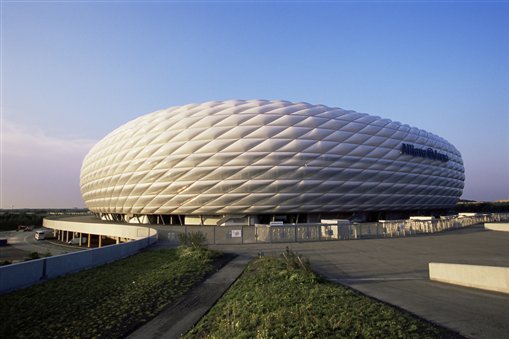
 

This article first appeared on Bleacher Report, where I contribute regularly on Liverpool and the Premier League.